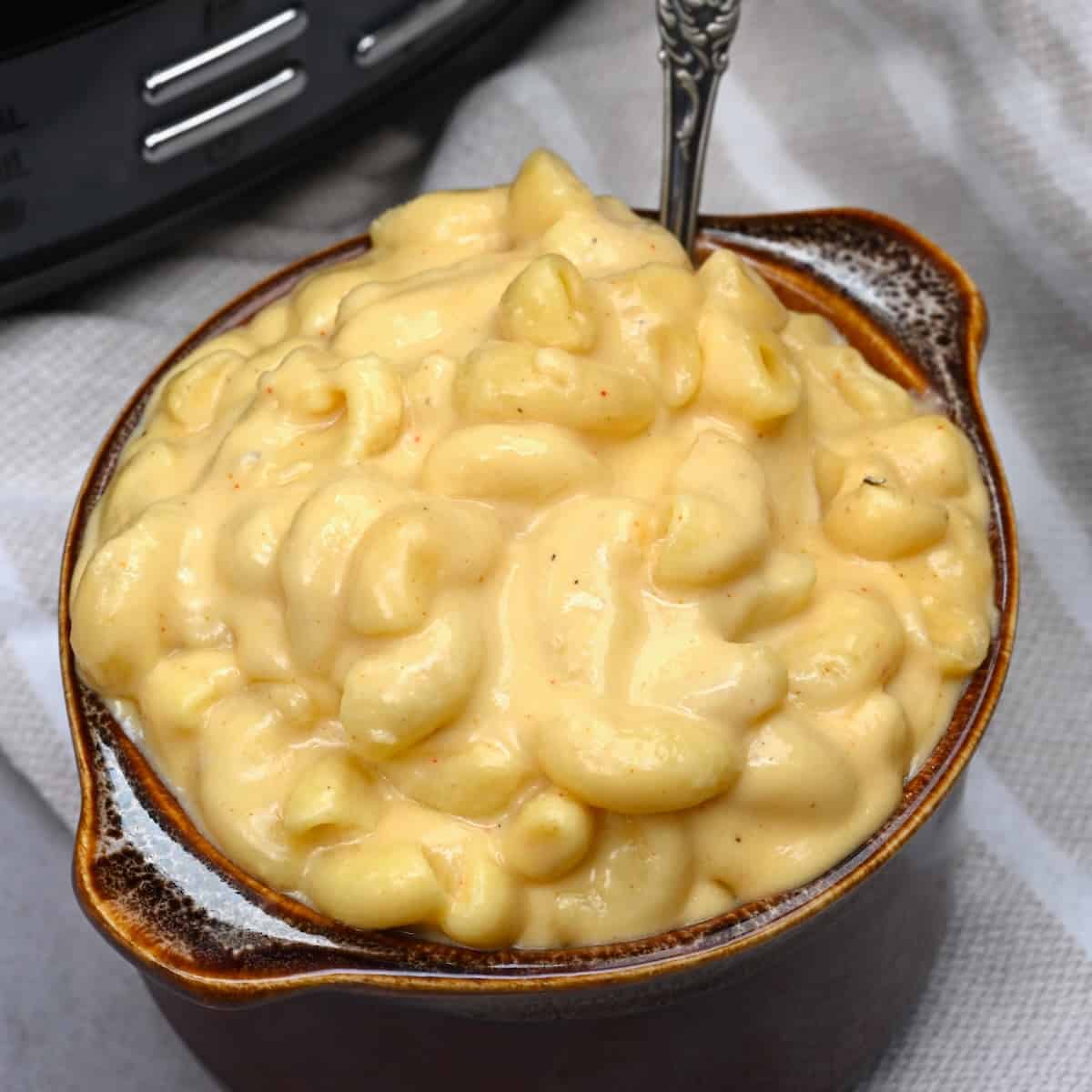
There's nothing quite like a steaming bowl of creamy, cheesy mac and cheese. It’s the ultimate comfort food, a culinary hug that satisfies the soul. But what happens when you’ve made a generous batch, or indulged in a restaurant portion that was just too big to finish? Don't let those precious leftovers go to waste! Reheating mac and cheese perfectly is an art, and with the right techniques, you can transform yesterday's meal into a dish that tastes almost as good as fresh. This comprehensive guide will walk you through the best methods for reviving your cheesy pasta, whether it’s from the fridge or the freezer, ensuring every bite is as delightful as the first.
The Foundation: Mastering Mac and Cheese Storage
Before you even think about reheating, proper storage is paramount. The secret to delicious leftovers begins the moment the cooking stops. Incorrect storage can lead to dry, unappetizing results, or worse, food safety issues. This section is your essential mac and cheese storage guide.
Cooling Down Safely
Once your mac and cheese is cooked, resist the urge to immediately stash it in the fridge. Instead, let it cool down at room temperature for a short period—no longer than two hours. This rapid cooling prevents your refrigerator from having to work harder and helps ensure the dish cools evenly. Allowing food to linger in the "temperature danger zone" (between 40°F and 140°F or 5°C and 60°C) for too long encourages bacterial growth, which can significantly reduce shelf life and pose health risks. For a deeper dive into food safety, you might find our article How Long Does Mac and Cheese Last? Storage & Safety Guide incredibly helpful.
Refrigeration Best Practices
For immediate leftovers, the refrigerator is your go-to. Transfer your cooled mac and cheese into an airtight container. This is crucial for preventing moisture loss and protecting it from absorbing other food odors in your fridge. Properly stored, mac and cheese can last for about 3 to 5 days in the refrigerator. Opt for glass containers or high-quality plastic containers with tight-fitting lids for optimal freshness.
Freezing for Longer Storage
If you have a large batch or want to enjoy your comfort food weeks or months down the line, freezing is an excellent option. Again, ensure the mac and cheese has cooled completely to room temperature before freezing. For best results:
- Portion It Out: Divide your mac and cheese into individual servings in smaller, freezer-safe containers. This makes reheating much more convenient, as you only thaw and heat what you need.
- Prevent Freezer Burn: Transfer to an airtight, freezer-safe container. If using a regular dish, wrap it tightly first with plastic wrap, then an additional layer of aluminum foil. This dual-layer protection is key to keeping ice crystals at bay and maintaining texture.
- Label and Date: Always label your containers with the dish and the date it was frozen. Mac and cheese can be safely stored in the freezer for 2 to 3 months.
Essential Reheating Principles for Creamy Perfection
The biggest challenge with reheating mac and cheese is often maintaining its creamy texture. As it cools, pasta absorbs more liquid, and the cheese sauce can separate, leading to a dry or gummy consistency. The secret to restoring its glory lies in two main elements: moisture and gentle, even heating.
- Add Moisture: This is arguably the most critical step. Before reheating, add a splash of liquid – typically milk, but cream, half-and-half, or even a little chicken broth can work wonders. Start with a tablespoon or two per serving and add more as needed. This helps loosen the sauce and rehydrate the pasta.
- Cover It Up: No matter the method, covering your mac and cheese during at least part of the reheating process helps trap steam and moisture, preventing it from drying out.
- Heat Slowly and Evenly: Rushing the process with high heat can lead to burnt spots, separated cheese, or rubbery pasta. Low and slow is usually the way to go.
- Thaw from Frozen: If reheating from frozen, it's always best to thaw your mac and cheese in the refrigerator overnight or for several hours before reheating. This ensures more even heating and better texture restoration. While you can reheat directly from frozen in some cases, thawing first yields superior results.
Method-by-Method: Reheating Mac and Cheese Like a Pro
1. The Oven Method: For Baked Perfection and Creamy Indulgence
The oven is often considered the best method for reheating mac and cheese, especially if you want to maintain that desirable baked texture with a crispy top and creamy interior. It provides even, gentle heat that revitalizes the dish beautifully.
- Preheat: Preheat your oven to a moderate 350°F (175°C).
- Prepare: Transfer your mac and cheese to an oven-safe dish. If it’s a creamy version, add a tablespoon or two of milk (or cream/broth) per serving.
- Cover: Cover the dish tightly with aluminum foil. This is key for trapping moisture and preventing drying.
- Bake: Bake for 20-30 minutes, depending on the portion size, or until heated through. For baked mac and cheese, if you desire a crispy top, remove the foil for the last 5-10 minutes of baking.
- Check: Stir gently, and if needed, add another splash of liquid to reach your desired creaminess.
This method works exceptionally well for both traditional creamy mac and cheese and especially for those with a baked, often breadcrumb-topped crust, allowing that crust to re-crisp beautifully.
2. The Stovetop Method: Quick & Creamy Revival
For those who prefer a creamy mac and cheese and want a quicker, more hands-on approach, the stovetop is an excellent choice. It offers direct control over the heat and allows for easy stirring to incorporate additional moisture.
- Prepare: Transfer your leftover mac and cheese to a non-stick pot or skillet over medium-low heat.
- Add Liquid: Add a splash of milk, cream, or broth – starting with about 1-2 tablespoons per serving.
- Stir Gently: Heat slowly, stirring constantly to prevent sticking or burning on the bottom of the pan. As it heats, the cheese will melt and re-emulsify with the added liquid.
- Adjust: Continue stirring and heating until it's warmed through and returns to its desired creamy consistency. If it still looks dry, add a bit more liquid.
This method is fantastic for restoring a velvety, rich sauce, but requires your attention to avoid overcooking or scorching.
3. The Microwave Method: Speed and Convenience (with Caveats)
The microwave is undeniably the fastest reheating method, perfect for a quick lunch. However, it can sometimes lead to uneven heating or a slightly rubbery texture if not handled correctly.
- Prepare: Place a single portion of mac and cheese in a microwave-safe container.
- Add Liquid: Stir in a tablespoon or two of milk, cream, or broth.
- Cover (Optional but Recommended): Lightly cover the container with a microwave-safe lid or a damp paper towel. This helps trap steam and prevents splattering.
- Heat in Bursts: Heat in short bursts of 30-60 seconds. After each burst, stir the mac and cheese thoroughly to distribute heat evenly and prevent hot spots.
- Repeat: Continue heating and stirring until it's heated through to your satisfaction.
The key here is patience and frequent stirring. Avoid simply nuking it for several minutes straight, as this almost guarantees a less-than-ideal texture.
Beyond the Basics: Pro Tips for Leftover Mac and Cheese
- Enhance the Sauce: Don't just stick to milk! Experiment with heavy cream, a dollop of cream cheese, or even a knob of butter for extra richness and a luxurious mouthfeel. A touch of grated Parmesan or cheddar added during reheating can also boost the cheese factor.
- Revitalize the Topping: If your mac and cheese originally had a crispy topping (like breadcrumbs or more cheese), you can recreate this. After reheating in the oven, remove the foil and sprinkle fresh breadcrumbs or a little extra cheese on top, then broil for a minute or two until golden and bubbly.
- Add Fresh Ingredients: Elevate your leftovers by stirring in fresh herbs (like chives or parsley), a sprinkle of red pepper flakes for a kick, or even some cooked bacon bits for added flavor and texture.
- Pre-Portion for Meal Prep: As mentioned in the storage section, portioning your mac and cheese into individual servings before freezing makes future meals incredibly easy. You can pull out exactly what you need without thawing the entire batch.
- Avoid Over-Stirring: While stirring is important, especially on the stovetop and in the microwave, avoid vigorous stirring that can break down the pasta or emulsify the cheese too much, leading to a gluey texture. Gentle folding is usually sufficient.
Conclusion
Leftover mac and cheese is a culinary treasure, and with the right approach to storage and reheating, it can be just as comforting and delicious as when it was first made. Whether you opt for the even warmth of the oven, the attentive care of the stovetop, or the speed of the microwave, understanding these techniques ensures you'll never have to settle for dry, rubbery, or uninspired reheated mac and cheese again. So go ahead, make that extra-large batch, and enjoy the delightful gift of perfectly revived comfort food whenever the craving strikes!
